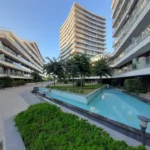
Over the past few years, Istanbul has positioned itself as one of the most actively discussed real estate investment destinations across emerging markets. As of January 2026, investors are no longer viewing Istanbul purely as a speculative play driven by currency movements. Instead, the city is increasingly analyzed as a diversified real estate market offering a combination of rental income, capital growth, and strategic lifestyle benefits.
This article provides an educational, top-of-funnel overview of real estate investment in Istanbul, explaining market dynamics, realistic ROI in Istanbul, the role of Turkish citizenship through property investment, and the locations that continue to attract domestic and international investors.
Why Istanbul Is Considered a Top Real Estate Investment Destination in 2026
What makes Istanbul attractive for real estate investors today?
Istanbul’s investment appeal is rooted in its scale, demographic momentum, and strategic position between Europe and Asia. Unlike smaller regional cities, Istanbul functions as Turkey’s primary economic, cultural, and commercial hub. As of 2026, the city accounts for the largest share of real estate transactions nationwide and continues to attract both local demand and foreign capital.
In addition, Istanbul offers investors exposure to a large domestic rental market, ongoing urban transformation projects, and relatively low entry prices when compared to mature global cities, which together create a distinct risk-return profile.
Overview of Istanbul’s Real Estate Market
How is the Istanbul property market performing in 2026?
Property Sales and Market Activity
Istanbul consistently leads Turkey in annual property sales volume. While overall transaction growth has moderated compared to earlier post-pandemic spikes, activity levels remain strong, reflecting a market driven increasingly by real demand rather than short-term speculation.
This stability suggests that Istanbul’s market is transitioning into a more structured phase, where investment decisions are guided by fundamentals rather than short-term price momentum.
Price Trends and Rental Demand
Property prices in Istanbul have continued to adjust in line with inflationary pressures and construction costs, while rental demand has remained resilient. Population growth, internal migration, and a large student and workforce base continue to support consistent rental absorption across many districts.
As a result, rental performance has become a central consideration for investors evaluating long-term sustainability rather than relying solely on capital appreciation.
Foreign Buyer Activity
Foreign investors remain active participants in Istanbul’s real estate market, particularly in residential segments aligned with citizenship eligibility and long-term rental demand. While regulatory adjustments have improved transparency, Istanbul remains one of the most accessible major cities globally for foreign real estate ownership.
Key Opportunities in Istanbul Real Estate Investment
Where do real estate investment opportunities exist in Istanbul?
Residential Investment Opportunities
Residential real estate remains the backbone of Istanbul’s investment landscape. Apartments dominate investor interest due to affordability, liquidity, and steady tenant demand. Mid-range residential projects often provide the best balance between entry cost and rental potential, especially in well-connected districts.
Demand in this segment is largely supported by local residents, young professionals, and families, creating a relatively stable tenant base.
Mixed-Use and Commercial Properties
Beyond residential assets, Istanbul offers opportunities in mixed-use developments that combine residential, retail, and office components. These projects benefit from integrated planning and are often located near transport corridors or business districts. However, commercial exposure generally requires longer holding periods and more detailed tenant analysis.
Emerging Neighborhoods with Growth Potential
Several districts continue to attract investor attention due to infrastructure investment and urban development initiatives.
| Location | Key Investment Driver | Typical Investor Profile |
| Başakşehir | Proximity to new transport links and medical hubs | Long-term rental investors |
| Beylikdüzü | Lower entry prices and family-oriented housing | Yield-focused buyers |
| Sarıyer | Premium positioning and limited supply | Capital growth investors |
| Kadıköy | Central location and lifestyle demand | Stable income seekers |
These areas reflect how location selection plays a decisive role in determining ROI in Istanbul.
Istanbul Real Estate ROI Explained
What ROI can investors realistically expect in Istanbul in 2026?
Rental Yields and Income Potential
As of early 2026, average residential rental yields in Istanbul typically range between 4% and 6%, depending on district, property type, and building quality. Properties located near transport hubs and employment centers tend to outperform peripheral locations in terms of occupancy and rental consistency.
This makes rental income a key contributor to total returns, especially in periods of moderate price appreciation.
Capital Appreciation and Long-Term Value
Capital appreciation in Istanbul is closely linked to urban regeneration, infrastructure upgrades, and neighborhood transformation. While short-term price movements can be influenced by macroeconomic factors, long-term value growth remains tied to location quality and project fundamentals.
Gross vs Net Returns
Investors should distinguish between gross rental yields and net returns after expenses. Maintenance costs, property management fees, and vacancy periods can significantly impact net performance. Therefore, realistic ROI calculations should always be conservative and cost-adjusted.
Turkish Citizenship Through Real Estate Investment
How does real estate investment lead to Turkish citizenship?
Citizenship by Investment Framework
Turkey continues to offer a citizenship-by-investment pathway through qualifying real estate purchases. This program has positioned Istanbul as a strategic destination for investors seeking both asset ownership and long-term residency benefits.
Requirements and Strategic Considerations
Eligibility depends on meeting minimum investment thresholds and holding the property for a specified period. Investors often factor citizenship eligibility into asset selection, prioritizing completed or legally compliant projects.
Impact on Investor Demand
The availability of Turkish citizenship has strengthened international interest, particularly from investors seeking geographic mobility and lifestyle diversification. This demand has supported liquidity in specific market segments without fundamentally distorting overall pricing.
Most Attractive Modern Locations in Istanbul for Investors
Which Istanbul neighborhoods are most attractive to investors and why?
Başakşehir
Başakşehir has emerged as a modern residential hub supported by healthcare infrastructure, planned communities, and transport connectivity. Its appeal lies in family-oriented housing and consistent rental demand.
Beylikdüzü
Beylikdüzü attracts investors seeking lower entry costs and stable yields. The district benefits from modern residential planning and appeals to long-term tenants rather than speculative buyers.
Sarıyer and Premium Zones
Premium districts such as Sarıyer command higher prices due to limited supply, natural surroundings, and proximity to business centers. These areas are often selected by investors focused on long-term capital preservation and appreciation.
Market Risks and Investment Considerations
What risks should real estate investors in Istanbul consider?
Currency and Macroeconomic Exposure
Fluctuations in the Turkish lira can affect real returns for foreign investors. Currency risk management is therefore an important part of any investment strategy.
Regulatory and Legal Factors
Understanding title deed procedures, zoning regulations, and taxation is essential. Professional legal and valuation support remains critical for foreign buyers.
Vacancy and Tenant Turnover
While demand is strong, vacancy risk varies by location and property type. Investors should assess tenant profiles and local rental dynamics carefully.
Who Should Consider Investing in Istanbul Real Estate?
What type of investor is Istanbul best suited for?
Long-Term Income Investors
Those seeking steady rental income combined with gradual capital appreciation.
Citizenship-Focused Investors
Buyers prioritizing Turkish citizenship alongside asset ownership.
Portfolio Diversifiers
Investors aiming to diversify geographically and balance exposure between mature and emerging markets.
FAQ
What is the average ROI in Istanbul real estate in 2026?
Rental yields typically range between 4% and 6%, depending on location and asset quality.
Can foreigners own property in Istanbul?
Yes, foreign investors can legally own property in most areas, subject to regulations.
Does buying property in Istanbul qualify for Turkish citizenship?
Yes, eligible real estate investments may qualify under Turkey’s citizenship-by-investment program.
Is Istanbul more suitable for rental income or capital growth?
The market offers a balance of both, depending on strategy and location.
Final Thought: Is Istanbul Right for Your Real Estate Investment in 2026?
As of January 2026, Istanbul represents a complex but opportunity-rich real estate market. With diverse entry points, realistic ROI in Istanbul, and the added dimension of Turkish citizenship, the city continues to attract a wide range of investors.
Ultimately, success in Istanbul real estate depends on informed decision-making, disciplined asset selection, and a long-term perspective rather than short-term speculation.