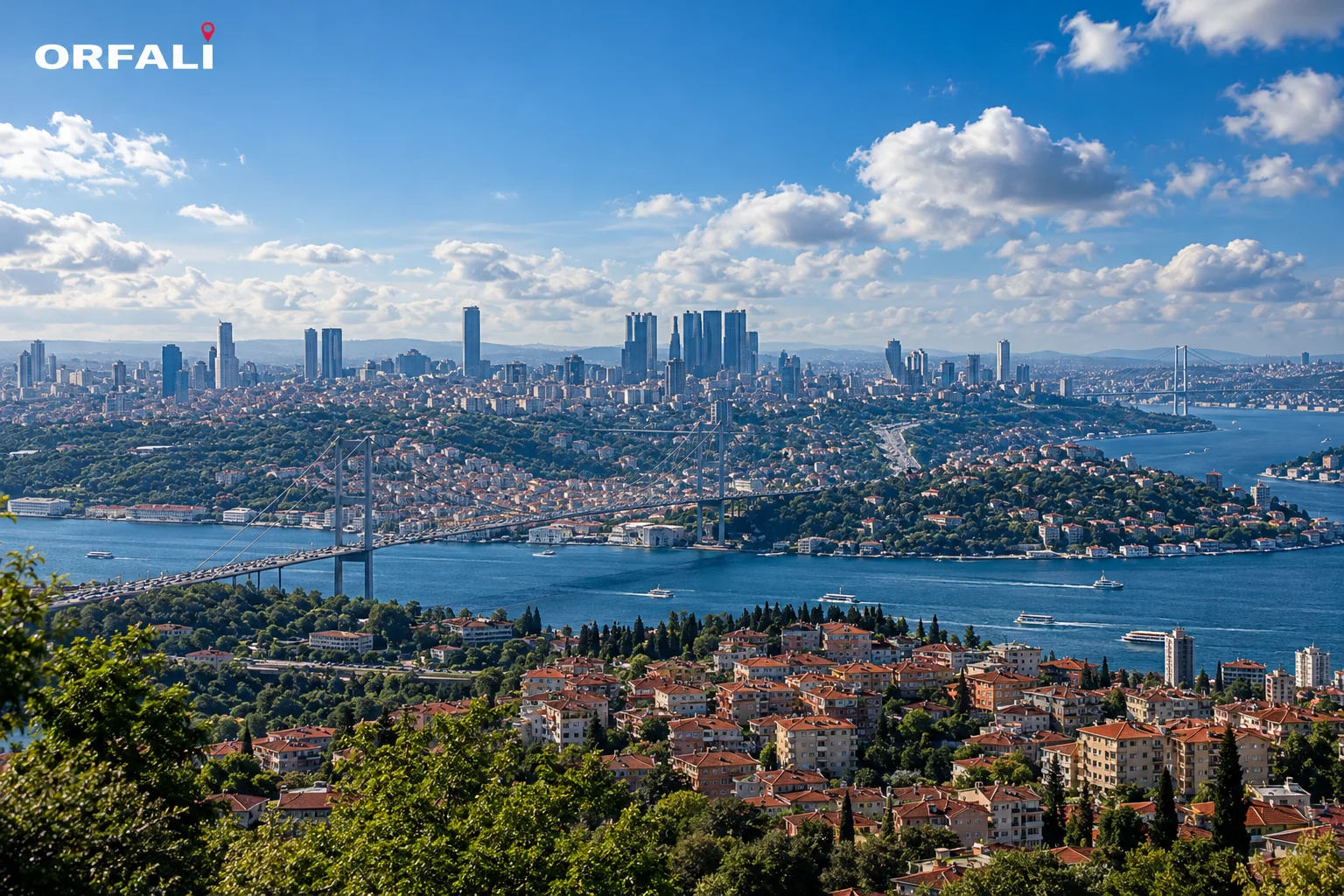
Choosing between the European side of Istanbul and the Asian side of Istanbul depends on your budget, rental strategy, and lifestyle priorities. The European side offers a wider range of commercial districts, historic neighbourhoods, and affordable residential areas. The Asian side attracts buyers seeking established residential communities, waterfront neighbourhoods, and access to major business centres. For rental yield, compare the purchase price with achievable rent in each district. For family living, prioritise commute times, schools, green spaces, and daily amenities. Neither side is universally better; the right choice depends on the property and the people who will live in or rent it.
If you plan to buy an apartment in Istanbul, compare specific neighbourhoods rather than treating each side as one market. Prices, tenant demand, and resale prospects can change significantly within the same district.
European Side vs Asian Side of Istanbul: What Are the Main Differences?
The European and Asian sides differ in their urban layout, housing stock, business locations, and residential atmosphere. The European side contains many of Istanbul’s historic districts and major corporate centres, alongside large residential developments in the west and north-west. The Asian side combines established urban neighbourhoods with newer residential areas and quieter communities further from the Bosphorus.
For property buyers, the key differences are practical:
Property choice: The European side offers everything from older central apartments to large residential compounds and newer developments. The Asian side also has a broad mix, with strong apartment markets in Kadıköy, Üsküdar, Ataşehir, Maltepe, and Kartal.
Budget: Both sides include premium and more affordable areas. A central Asian-side neighbourhood can cost more than a developing European-side district.
Rental demand: The European side benefits from varied employment centres, universities, tourism, and business activity. The Asian side attracts professionals, students, families, and people working near its own commercial centres.
Lifestyle: Both sides offer parks, schools, healthcare, shopping, and public transport. The experience depends more on the individual neighbourhood than the continent.
Commuting: Your best location is usually the one that reduces travel to your workplace, school, or other regular destinations.
The Bosphorus is an important geographical divide, but it should not be the main factor in your decision. A property close to a metro station on either side may be more practical than one with a prestigious address but difficult daily access.
Start a Conversation
Contact us through the communication method that suits you
Which Side of Istanbul Has the Best Areas to Buy Property?
The best area depends on whether you prioritise rental income, long-term family living, premium housing, or a lower purchase price.
On the European side, consider these areas:
Şişli and Mecidiyeköy: Central locations with access to business districts, shopping, and public transport. They may appeal to professionals and tenants who value a central address.
Kağıthane: A useful area to compare for newer housing and access to central business locations. Building quality, transport access, and competition from nearby developments matter.
Bakırköy: An established residential district with shopping, healthcare, transport, and coastal amenities. It can suit families and buyers seeking a more mature neighbourhood.
Başakşehir: Worth considering for planned residential developments, family facilities, and access to major roads and healthcare services.
Beylikdüzü and Esenyurt: Often considered by buyers with tighter budgets. However, building quality, exact transport access, and local rental demand require careful assessment.
On the Asian side, compare:
Kadıköy: A lively district with transport connections, cultural venues, restaurants, and established residential neighbourhoods. It may appeal to professionals and tenants who value urban convenience.
Üsküdar: Offers established neighbourhoods, ferry connections, historic surroundings, and access to central destinations.
Ataşehir: A key option for buyers interested in modern residential developments and access to business districts.
Maltepe: Offers a mix of residential buildings, coastal areas, and metro access, with options across different budgets.
Kartal: Worth comparing for buyers seeking newer residential projects, access to the Marmara coast, and connections towards the Asian side’s eastern districts.
Do not select a district based on reputation alone. Compare the specific building, walking distance to transport, nearby schools and shops, monthly management fees, and the price of similar properties. These factors often matter more than whether the property is on the European or Asian side.
European Side vs Asian Side: Where Are Property Prices More Affordable?
There is no reliable single price that makes one side cheaper than the other. Istanbul property prices vary by district, building age, view, transport access, and the type of apartment. Premium areas on either side can be substantially more expensive than outer residential districts on the opposite side.
As an indication of the range, September 2026 asking-price data placed Kadıköy at around TRY 172,700 per square metre, while Maltepe was around TRY 92,400. On the European side, Beşiktaş was around TRY 185,100 per square metre, while Esenyurt was around TRY 29,300. These are listing-based figures, not confirmed transaction prices, and they illustrate the variation between districts rather than a definitive comparison of the two sides.
For buyers with a limited budget, some western European-side districts may offer a lower entry price. However, a cheaper apartment is not automatically a better investment. Consider the building’s condition, usable floor area, public transport, expected rent, and resale demand.
On the Asian side, areas such as Maltepe and Kartal may provide alternatives to more expensive locations such as Kadıköy. Ataşehir also deserves consideration, particularly for buyers comparing modern apartments and access to business centres.
Before you buy, compare the total purchase cost, not just the advertised price. Include applicable transaction fees, renovation, monthly building charges, and any work needed before renting the apartment. A property with a higher initial price may offer better long-term value if it attracts reliable tenants and requires less spending.
Which Side of Istanbul Offers Better Rental Yield and Tenant Demand?
Neither side guarantees a higher rental yield. The result depends on the relationship between purchase price and achievable rent, along with vacancy, maintenance, taxes, and other ownership expenses.
The European side offers a broad range of tenant markets. Central areas such as Şişli can appeal to professionals who want convenient access to workplaces and public transport. More affordable districts, including Esenyurt and Beylikdüzü, may attract budget-conscious tenants and families. However, investors should assess competition from similar apartments and the quality of local transport connections.
On the Asian side, Kadıköy can attract professionals and tenants who value its urban lifestyle and transport options. Ataşehir may appeal to people working in nearby business districts, while Maltepe and Kartal offer alternatives for households seeking residential neighbourhoods with access to metro connections and coastal amenities.
Available 2026 district estimates show why buyers should compare properties rather than sides. Some lower-priced European districts have recorded higher indicative gross yields than premium neighbourhoods. Estimates for Kadıköy have generally been lower than those for some more affordable districts, although results vary by apartment size and calculation method. These figures are useful as a starting point, not a promise of future returns. See thedistrict-level rental-yield comparison.
To compare two apartments fairly, use the same assumptions:
For example, an apartment bought for TRY 6 million and rented for TRY 35,000 per month generates TRY 420,000 in annual rent. Its gross yield is 7%. If another apartment costs TRY 8 million and rents for TRY 40,000 per month, its gross yield is 6%.
Neither figure includes vacancy or expenses. Deduct expected maintenance, building fees paid by the owner, periods without a tenant, and other relevant costs to estimate the net return. Also check whether the expected rent is realistic for comparable apartments in the same neighbourhood.
For rental investors, the strongest choice is often a property with a sensible price, consistent tenant demand, and manageable expenses—not simply the apartment with the highest advertised yield.
Where Is It Easier to Resell Property in Istanbul? Comparing Liquidity and Buyer Demand
Resale liquidity means how easily a property can find a buyer at a realistic price. It depends on the apartment’s condition, asking price, location, building documents, and the number of buyers looking for that type of property.
The European side has a wide range of potential buyers because it includes major employment centres, established residential districts, and more affordable housing markets. Smaller apartments near transport and workplaces may appeal to investors and professionals. Family apartments in established neighbourhoods may attract owner-occupiers.
The Asian side also has active residential markets. Kadıköy and Üsküdar may appeal to buyers seeking established neighbourhoods and convenient access to the city. Ataşehir, Maltepe, and Kartal offer different combinations of modern housing, transport, and price points.
However, neither side is automatically more liquid. A well-maintained apartment near a metro station can sell more easily than a poorly priced property in a more prestigious district. Similarly, a large apartment may attract fewer potential buyers than a smaller unit because it costs more.
Before purchasing, review comparable listings, how long similar properties remain advertised where that information is available, and the gap between asking prices and realistic offers. Avoid basing your exit strategy on an assumed annual price increase. A property should remain financially manageable even if resale takes longer than expected.
Which Side of Istanbul Is Better for Families and Long-Term Living?
For families, the best side is the one that supports daily life without creating an unnecessarily difficult commute. School access, healthcare, parks, supermarkets, safe walking routes, and the condition of the residential building should all influence the decision.
On the European side, Bakırköy and Başakşehir are worth comparing for family-oriented housing and everyday amenities. Bakırköy offers established residential streets, shopping, healthcare, and coastal spaces. Başakşehir has modern residential developments and family facilities, although the commute depends on the exact location.
Beylikdüzü may suit families seeking more space for their budget, but travel to central employment areas can take longer. Buyers should check the distance to public transport and whether the daily commute is practical at peak times.
On the Asian side, Üsküdar and Kadıköy offer established neighbourhoods, schools, healthcare, parks, and extensive everyday services. Some areas have busy streets and higher property prices, so buyers should compare the immediate surroundings rather than relying on the district’s reputation.
Maltepe and Kartal can offer alternatives for families looking for residential developments, coastal spaces, and metro access. The suitability of each property depends on nearby schools, traffic, local amenities, and the distance between home and daily destinations.
Visit the neighbourhood during the morning and evening rush hours. Check the route to school, the nearest supermarket, healthcare facilities, and the closest public transport station. A larger apartment may look attractive on paper, but a practical location can make a greater difference to family life over several years.
How Do Transport Links and Commute Times Compare Between the Two Sides?
Transport access affects both everyday convenience and property appeal. Istanbul has metro lines, Marmaray, ferries, buses, and the Metrobüs network, but journey times depend on the starting point, destination, transfers, and walking distance.
On the European side, the M2 metro connects central areas such as Şişli and Levent with other parts of the city. The M7 and M3 lines serve additional residential and business areas. On the Asian side, the M4 connects Kadıköy with districts towards Pendik and Sabiha Gökçen Airport, while the M5 serves Üsküdar and areas further north and east. The current network can be checked on theofficial Istanbul rail network map.
Marmaray provides a rail connection beneath the Bosphorus, linking stations on both sides. Ferries offer another option for some cross-Bosphorus journeys, while Metrobüs connects major points along the city’s east–west corridor. Theofficial Metrobüs network information shows its route and interchange options.
Consider two practical examples:
Living in Kadıköy and working near Yenikapı: You can use the Marmaray connection at Ayrılık Çeşmesi for a direct rail journey. The train segment is relatively short, but the total door-to-door journey also includes walking and access to each station.
Living in Beylikdüzü and working near Levent: You may need Metrobüs and a further connection, depending on your exact destination. Peak-hour congestion, transfers, and station access can make this journey substantially longer than a simple map distance suggests.
These are route examples, not fixed journey-time promises. Check the route at the time you expect to travel before choosing a property. A home within a short walk of a suitable station may be more convenient than one that is technically closer to work but requires several transfers.
Should You Buy Property on the European or Asian Side of Istanbul?
The decision should reflect your main objective, budget, and preferred way of living. Instead of choosing one side as the overall winner, use the following framework.
For rental income: Compare purchase price, achievable rent, vacancy risk, and net yield in specific districts. More affordable areas may produce higher gross yields, but building quality and competition can affect the result.
For family living: Prioritise schools, healthcare, parks, daily amenities, and the commute to work. Visit the neighbourhood before making a decision.
For resale flexibility: Look for practical layouts, sound building condition, clear legal documents, and convenient transport. Avoid paying a premium based only on a district’s reputation.
For a limited budget: Compare areas such as Esenyurt, Beylikdüzü, Maltepe, and Kartal, while checking the specific property and its transport access.
For established urban neighbourhoods: Consider locations such as Kadıköy, Üsküdar, Şişli, and Bakırköy, depending on your budget and preferred lifestyle.
The best Istanbul real estate investment is not necessarily on the side with the highest prices or the strongest reputation. It is the property whose cost, location, likely demand, and long-term suitability match your objectives.
If you are exploring Istanbul property for sale or comparing Istanbul apartments for sale, evaluate individual neighbourhoods and buildings before deciding where to buy an apartment in Istanbul.
Both sides of Istanbul offer opportunities for property buyers, but the right choice depends on your priorities. The European side provides diverse residential markets and access to major business districts, while the Asian side offers established neighbourhoods and a range of modern and traditional housing options.
Compare specific districts, calculate realistic rental returns, and assess the daily commute before making your decision. This approach will help you find an apartment that suits your investment strategy or family needs without relying on broad assumptions about either side.
Frequently Asked Questions
Is the European or Asian side of Istanbul better for property investment?
Neither side is always better. The European side offers a wide range of employment centres and residential markets, while the Asian side has established neighbourhoods and growing residential areas. Compare each property’s price, rental potential, and costs.
Which side of Istanbul has cheaper apartments?
Some outer European-side districts, including Esenyurt and Beylikdüzü, offer lower entry prices than premium neighbourhoods on either side. On the Asian side, Maltepe and Kartal may offer alternatives to more expensive areas such as Kadıköy. Actual prices vary by property.
Where can investors find better rental yields in Istanbul?
Higher gross yields may be available in more affordable districts where purchase prices are lower relative to rents. However, vacancy, maintenance, building quality, and tenant demand can reduce net returns. Compare similar properties using the same assumptions.
Is the Asian side better for families?
Areas such as Üsküdar, Kadıköy, Maltepe, and Kartal can suit families seeking established neighbourhoods, schools, healthcare, and public transport. The best choice depends on the exact location, housing budget, and daily commute.
Which side is easier for commuting?
It depends on where you work and live. Both sides have metro connections, while Marmaray, ferries, and Metrobüs support cross-city journeys. Check door-to-door travel times during peak hours before buying.
What should I check before buying an apartment in Istanbul?
Review the title deed, building condition, relevant occupancy documents, monthly management fees, transport access, and comparable sale and rental prices. If you plan to rent the apartment, estimate net income after vacancy and operating expenses.