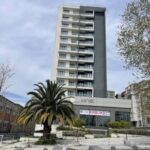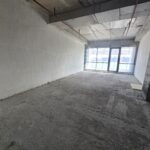

Dubai's commercial real estate market offers a dynamic environment for businesses and investors. Whether you're looking to buy, lease, or invest, understanding the landscape is crucial. Here's an overview to guide you through the process.

A Vibrant Sector

Dubai boasts a diverse range of commercial properties, including:
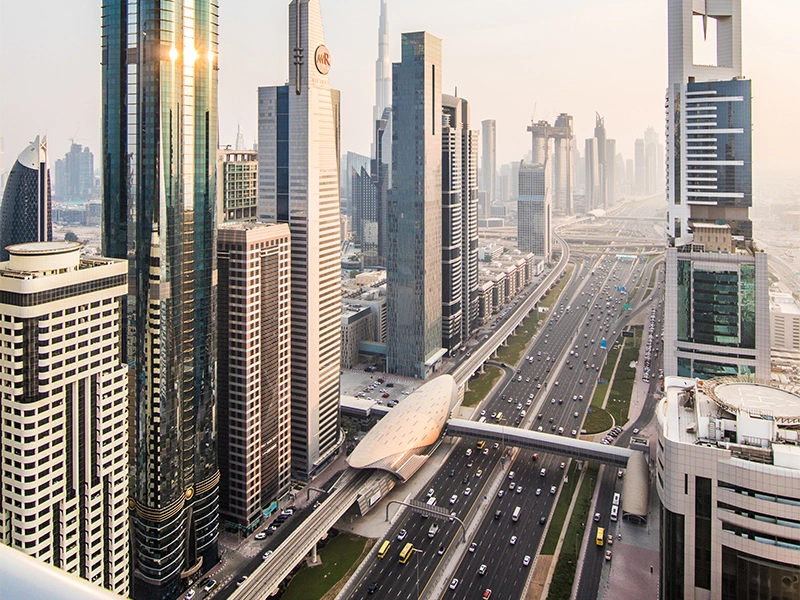
Office Spaces: Located in prime areas like Downtown Dubai, Dubai International Financial Centre (DIFC), Business Bay, and Jumeirah Lake Towers (JLT).

Retail Units: Found in bustling districts such as Sheikh Zayed Road and various shopping malls.

Full Buildings: Ideal for large enterprises seeking dedicated spaces.

Plots of Land: For development or long-term investment purposes.

The choice of location depends on your business type, goals, and budget. Engaging with a professional team of Commercial Consultants can ensure informed decisions and a clear understanding of all terms.

Understanding the Market Zones

Dubai’s commercial properties are primarily categorized into two zones:
Free Zones: Allow 100% foreign ownership and offer customs and tax exemptions. They are suitable for businesses aiming to operate within specific sectors.

Mainland: Ideal for companies that wish to trade directly with the UAE market and require a broader operational scope.

The selection between these zones should align with your business profile and objectives.

Buying Commercial Property

Purchasing commercial property in Dubai involves:
Company Documentation: Providing necessary legal and business documents.

Set-Up Fees: Covering costs associated with property registration and licensing.

Licensing: Obtaining the appropriate license based on the chosen zone and business activity.

For cost-effective options, Free Zones are recommended. They often provide additional support, such as assistance with visa applications, corporate accounts, and banking advisory services.

Leasing Commercial Property

Leasing offers flexibility for businesses not ready to commit to ownership. The process typically involves:
Defining Business Needs: Identifying the type of space required (office, retail, warehouse, etc.).

Shortlisting Properties: Selecting suitable options based on location, size, and amenities.

Negotiating Terms: Discussing lease duration, rent, and other conditions.

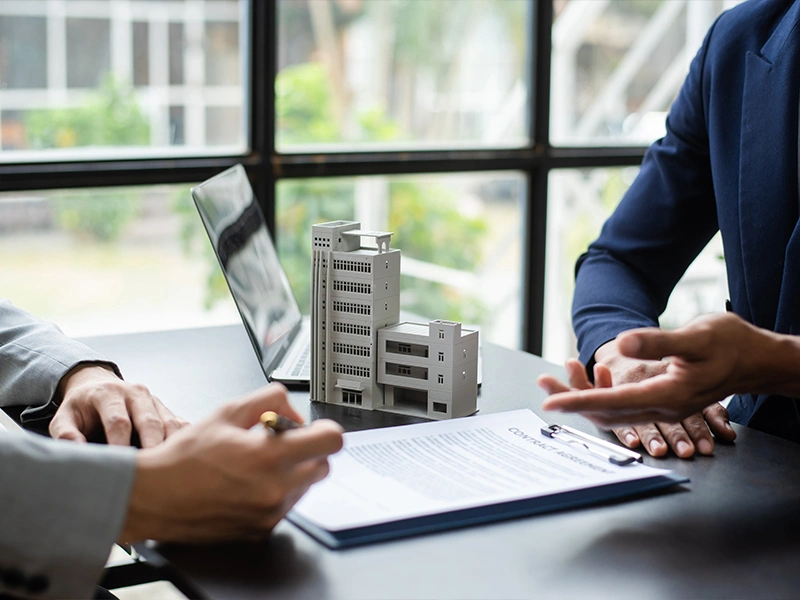
Signing Agreement: Formalizing the lease through a legally binding contract.

Ejari Registration: Registering the lease with the official system for tenancy contracts.

The documentation required varies depending on whether the property is in a Free Zone or Mainland. Some Free Zone licenses can be obtained within a day, while others may take 2 to 8 months. Mainland licenses typically take between three working days and one month, depending on the landlord.