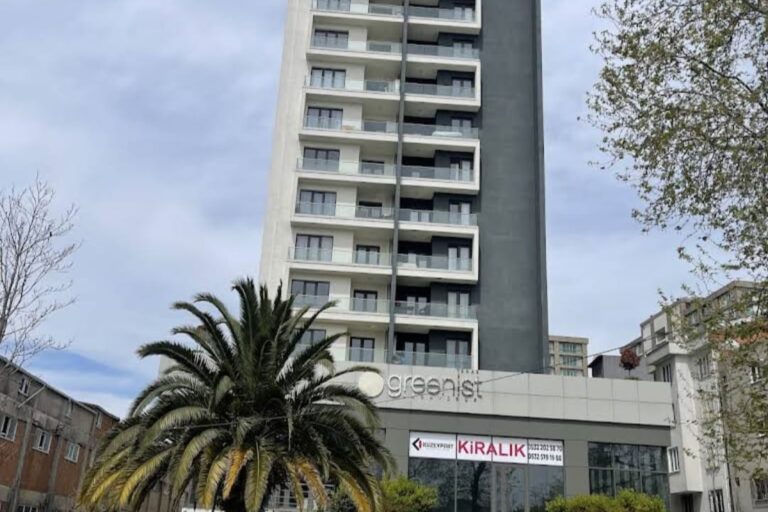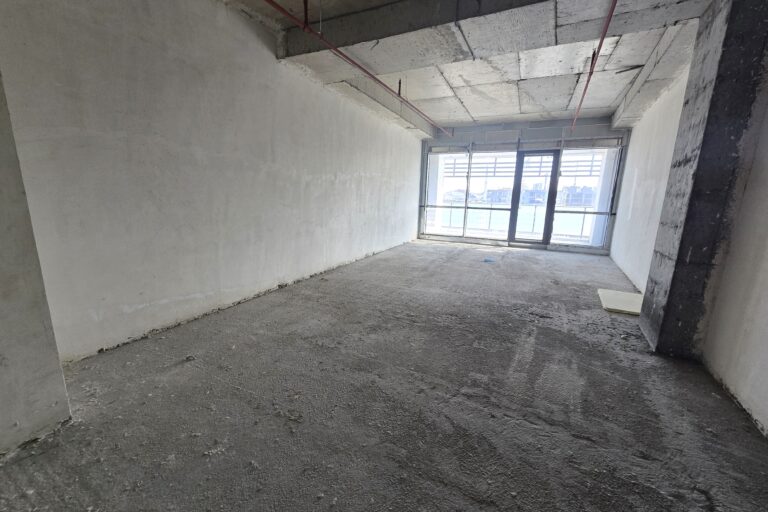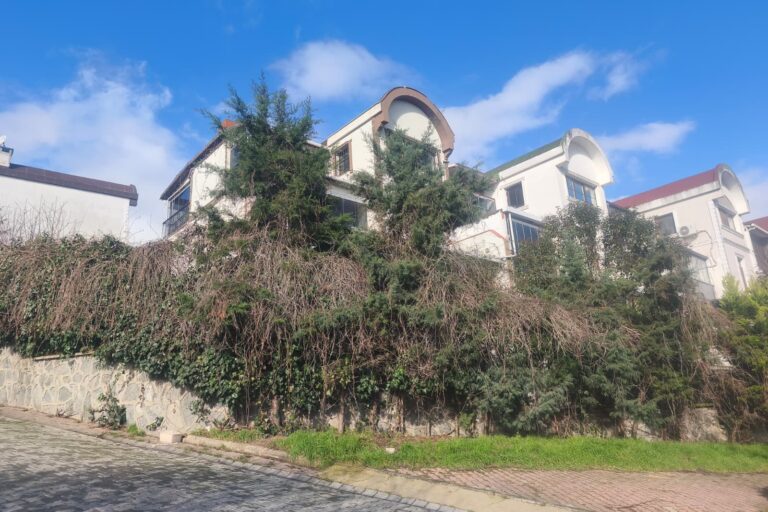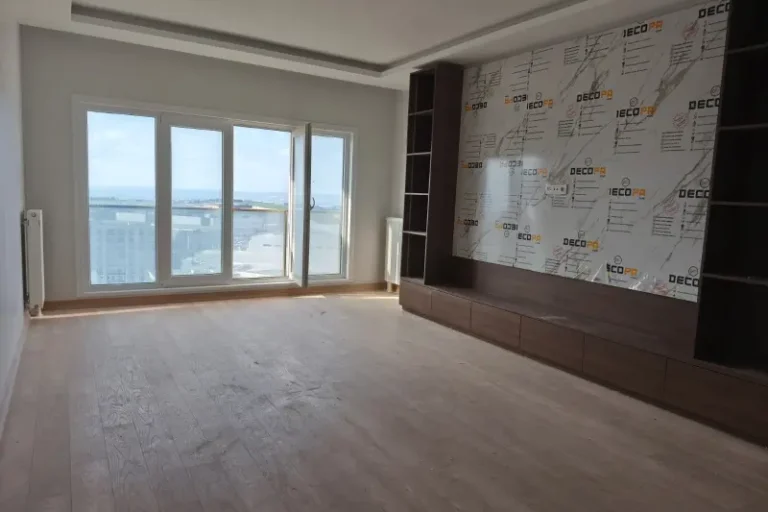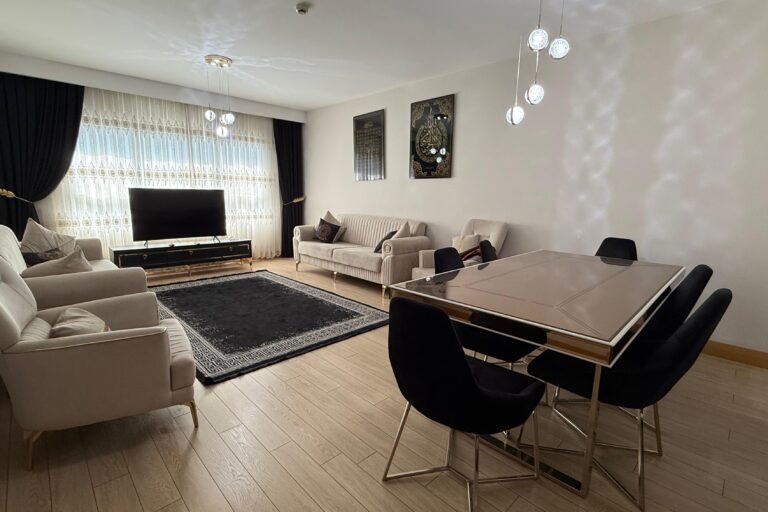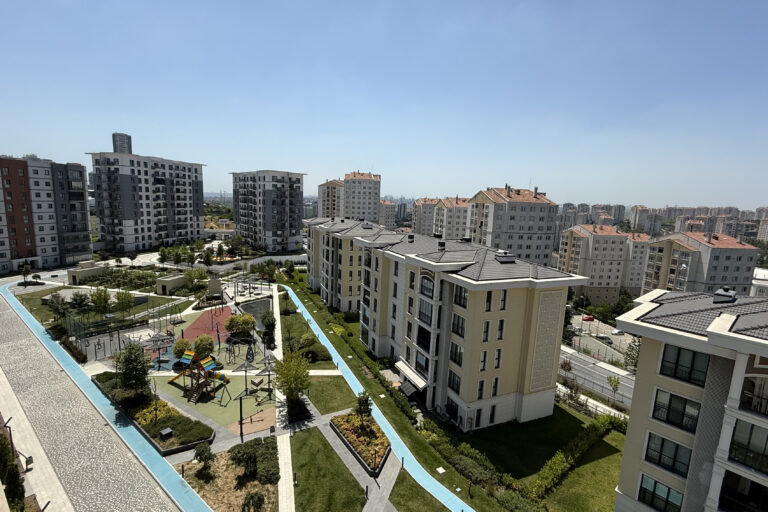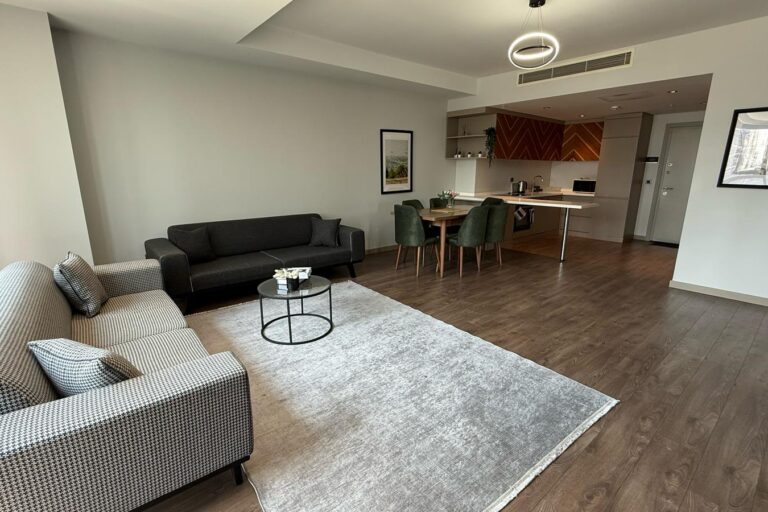
Listings

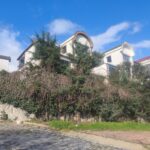
For Sale
USD 195,000
address Türkiye, Istanbul, Esenyurt
View: City|Family Apartment|Strategic Location|Special Opportunity|
bedrooms

3

bathrooms

2

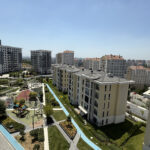
For Sale
USD 350,000
address Türkiye, Istanbul, Başakşehir
View: Park|Family Apartment|Spacious living area|Modern finishing|
bedrooms

1

bathrooms

3

For Sale
USD 580,000
address Türkiye, Istanbul, Büyükçekmece
View: Sea, Park, City|Prime Location |Sea View|
bedrooms

5

bathrooms

4

bua

BUA: 382 sqm

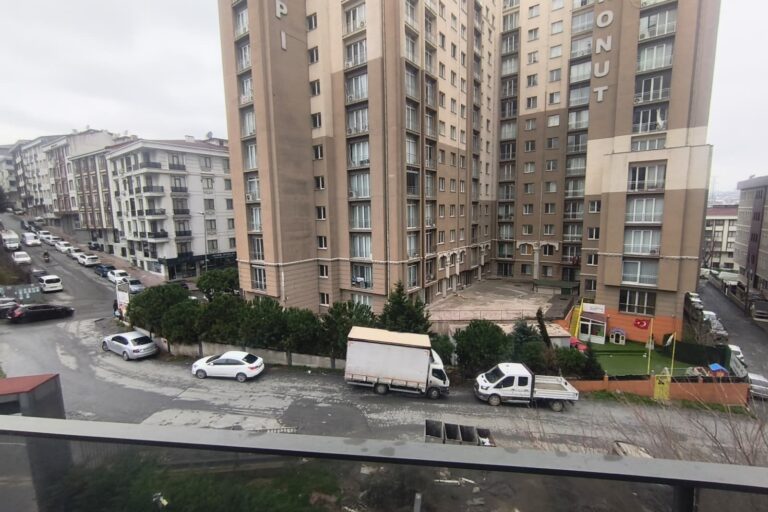
For Sale
USD 290,000
address Türkiye, Istanbul, Bağcılar
View: City, Another|Brand New |Family Apartment|high floor|
bedrooms

1

bathrooms

2

For Sale
USD 355,000
address Türkiye, Istanbul, Başakşehir
View: Park|Villa|Private Garden|Two Entries|
bedrooms

6

bathrooms

4

bua

BUA: 450 sqm

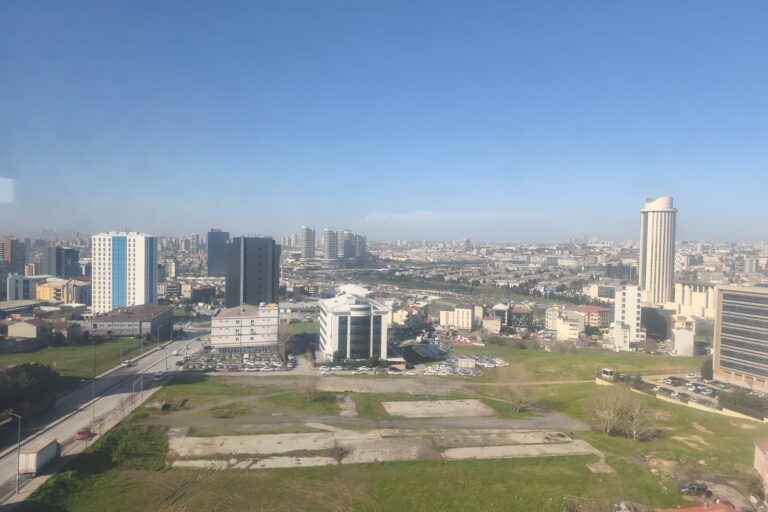
For Sale
USD 330,000
address Türkiye, Istanbul, Başakşehir
View: City|brand new|spacious apt|family friendly|
bedrooms

3

bathrooms

2

bua

BUA: 190 sqm

For Sale
USD 180,000
address Türkiye, Istanbul, Bağcılar
View: City|100% ownership|spacious|fully furnished|
bedrooms

2

bathrooms

1

bua

BUA: 125 sqm

Frequently Asked Questions

Can foreigners buy property in Dubai?

Yes. Foreign nationals can buy, sell, and lease property in designated freehold areas of Dubai. These areas include Downtown Dubai, Dubai Marina, Palm Jumeirah, Business Bay, Jumeirah Village Circle, and many others. Freehold ownership allows full rights over the property and the land it stands on.

What is the difference between freehold and leasehold property?
  • Freehold: The buyer owns the property and the land outright. Ownership can be inherited, sold, or rented without restrictions.
  • Leasehold: The buyer leases the property for up to 99 years, after which ownership reverts to the freeholder. Common in some older areas.
What are the main costs involved in buying property in Dubai?

Typical purchase-related costs include:

  • Dubai Land Department (DLD) transfer fee: 4% of the property value
  • Title deed issuance fee: AED 580
  • Oqood registration (for off-plan): AED 5,250
  • Agency commission: 2% (average)
  • Mortgage registration fee (if applicable): 0.25% of the loan amount
Do I need to be a resident to buy property?

No. Non-residents can buy property in freehold areas. However, owning property above AED 1 million may qualify buyers for residency visas, depending on the type and value of the property.

What types of properties can foreigners buy?

Foreigners can buy:

  • Apartments
  • Villas
  • Townhouses
  • Hotel apartments
  • Commercial spaces (in specific zones)

Both ready and off-plan properties are available for international investors.

Do I have to pay property tax in Dubai?

No. Dubai has no annual property tax. Owners only pay one-time fees during the purchase and small service charges for building maintenance and community management.

Frequently Asked Questions

Can foreigners buy property in Turkey?

Yes. Foreign nationals are allowed to buy property in Türkiye, including Istanbul, under the 2012 reciprocity law.
However, there are a few exceptions — citizens of certain restricted countries and properties located in military or security zones are not eligible for sale to foreigners.

What types of property can foreigners purchase in Turkey?

Foreign buyers can purchase:

  • Apartments & penthouses
  • Villas & townhouses
  • Commercial offices & shops
  • Land (with certain restrictions)
  • Off-plan and newly built developments

Most investors focus on ready or off-plan apartments in central and emerging districts like Başakşehir, Beylikdüzü, Küçükçekmece, Maslak, Kadıköy, Zeytinburnu, and Kağıthane.

What are the main costs when buying a property in Istanbul?

Typical transaction costs include:

  • Title deed transfer tax: 4% of the declared property value (usually split 50/50 between buyer and seller)
  • Notary and translation fees: around $500–$1,000
  • Agency commission: typically 2–3% of the purchase price
  • DASK (earthquake insurance): mandatory for all properties
  • Utility connection fees: for electricity, water, and gas after registration
Can foreigners buy property in their own name in Turkey?

Yes. The property is registered in the foreign buyer’s name at the Tapu Office (Land Registry Department), and the buyer receives the Tapu (Title Deed) once the sale is completed and government taxes are paid.

Do I need to be in Turkey to complete the purchase?

Not necessarily.
You can appoint a Power of Attorney (POA) at a Turkish notary or Turkish consulate abroad, allowing a legal representative to handle all paperwork and registration on your behalf.

Can I get Turkish citizenship through real estate investment in Turkey?

Yes. Under the Turkish Citizenship by Investment Program, foreigners who purchase property worth at least $400,000 USD can apply for Turkish citizenship.
Key points:

  • Property must be held for a minimum of 3 years
  • The investment can be in one or multiple properties
  • Citizenship can include spouse and children under 18
Can I get a residence permit through property ownership in istanbul?

Yes. Buying any property in Türkiye with a minimum ammount of 200,000$ qualifies you for a renewable 2-years residence permit (short-term residence permit based on property ownership).

What are the steps to buy property in Istanbul?
  • Choose a property and agree on terms.
  • Sign a sales contract and pay a deposit (usually 10%).
  • Get a tax number and open a Turkish bank account.
  • Obtain a property valuation report (mandatory for foreigners).
  • Apply for Tapu transfer at the Land Registry Office.
  • Pay related taxes and fees, and receive the Title Deed (Tapu).
How long does the property purchase process take in Turkey?

If all documents are ready, the process usually takes 3–5 working days for ready properties and up to 2–3 weeks for off-plan or citizenship purchases.

What taxes apply to property ownership in Istanbul?
  • Annual property tax: 0.2% (for residential) or 0.4% (for commercial) of the property’s assessed value
  • Rental income tax: 15–40% (progressive rate) — applies only if you rent out your property
  • Capital gains tax: payable if you sell within 5 years (exempt after 5 years of ownership)
What is the Tapu (Title Deed) in Turkey?

The Tapu is the official Title Deed document issued by the Turkish government, proving full ownership of the property.
It includes:

  • Owner’s name and ID/passport
  • Property location and details
  • Purchase price and registry number
    It’s issued by the Land Registry Directorate and is the most important legal document in property ownership.
Are off-plan properties safe to buy in Istanbul?

Yes — if purchased through registered developers with government-approved construction licenses and notary-certified contracts.
Always ensure your payments go through a developer's official bank account and that the project has a construction guarantee.

Can I rent out my property after purchase in istanbul?

Yes. Foreigners can rent their properties either long-term or short-term (Airbnb-style).
For short-term rentals, the property must be registered as a touristic unit and comply with local municipal regulations.

Can I buy multiple properties under my name in turkey?

Yes. There is no legal limit to the number of properties foreigners can own, as long as:

  • The total land area does not exceed 30 hectares in Turkey
  • The property is located outside military or restricted zones
What documents are required to buy property in Istanbul?
  • Valid passport + translated copy
  • Turkish tax number
  • Turkish bank account
  • Recent photos (biometric)
  • Appraisal report
  • Power of Attorney (if applicable)
What are the best areas to invest in Istanbul?

Top performing and high-potential districts include:

  • European Side: Başakşehir, Küçükçekmece, Kağıthane, Zeytinburnu, Beylikdüzü, Maslak, Bahçeşehir
  • Asian Side: Üsküdar, Ataşehir, Kadıköy, Çekmeköy

These areas offer strong infrastructure, metro access, and ongoing government projects that boost property values.

Why invest in Istanbul’s real estate market?
  • Strategic location between Europe & Asia
  • Fast capital appreciation
  • Turkish citizenship & residency opportunities
  • Lower prices compared to EU cities
  • High rental yields and strong demand
  • Modern infrastructure & mega projects (Istanbul Canal, new metro lines, airports)

Frequently Asked Questions

What is the average ROI (Return on Investment) in Dubai?

Dubai offers some of the highest ROI in the world, averaging between 6% and 10%, depending on the area and property type. Hotspots like Jumeirah Village Circle, Dubai Marina, and Business Bay are among the top performers.

Can foreigners rent property in Dubai?

Yes. Anyone with a valid passport or Emirates ID can rent a property in Dubai, whether you are a resident, expat, or visitor (short-term stay).
Non-residents usually rent serviced apartments or holiday homes, while residents can sign long-term tenancy contracts.

What is Ejari and why is it important?

Ejari is an official tenancy registration system managed by the Dubai Land Department (DLD).
It ensures your lease is legally recognized and protects both the tenant and landlord.
Every tenancy contract must be registered on Ejari to connect DEWA utilities and handle disputes legally.

How long are rental contracts in Dubai?

Most rental agreements are for 1 year, renewable annually.
Short-term or monthly rental options are available in serviced apartments and holiday homes.

What are the typical rental payment terms?

Rent is usually paid via post-dated cheques, most commonly in:

  • 1 cheque (annual payment) – for best discounts
  • 2 to 4 cheques – common among tenants
  • Some landlords accept monthly payments (especially in new developments)
What additional costs should tenants expect?

Apart from rent, expect:

  • Security deposit: 5% (for unfurnished) or 10% (for furnished)
  • Agency commission: 5% of annual rent
  • Ejari registration fee: AED 220
  • DEWA connection deposit: AED 2,000–4,000 (refundable)
  • Cooling / chiller charges (if applicable)
How can I check if my rent increase is legal?

The RERA Rental Calculator (available on the Dubai REST app) helps you check if a rent increase complies with the law.
Rent can only be increased within limits set by Decree No. 43 of 2013, depending on how far your rent is below the current market average.

Can landlords ask for a rent increase anytime?

No. Rent can only be increased upon contract renewal and with at least 90 days’ written notice from the landlord.

Who pays for maintenance and repairs?
  • Minor maintenance (below AED 500–1,000): Tenant’s responsibility
  • Major repairs (structure, plumbing, electrical): Landlord’s responsibility
    These terms are usually specified in the tenancy contract.
What happens if I want to move out early?

If you terminate the lease early, you may need to pay a penalty, usually two months’ rent.
However, this can vary — always check the exit clause in your contract.

Can landlords evict tenants easily?

No. Dubai law protects tenants.
Eviction is only permitted for specific legal reasons (e.g., non-payment, property sale, owner moving in) and requires 12 months’ notice in writing via registered mail or Notary Public.

What documents are required to rent a property in Dubai?
  • Passport copy
  • Residence visa & Emirates ID (if applicable)
  • Proof of income or employment letter
  • Security cheques
  • Signed tenancy contract

Frequently Asked Questions

Can foreigners rent property in Istanbul?

Yes. Foreign nationals can rent any type of property in Istanbul — including apartments, villas, and commercial spaces — whether they are residents, students, or working professionals.
You only need a valid passport or residence permit to sign a rental contract.

How is rent usually paid in Turkey?

Rent is usually paid monthly, either in Turkish Lira (TRY) or foreign currency (usually USD or EUR) if agreed by both parties.
Payments are made via bank transfer for documentation purposes.

Is a rental contract mandatory?

Yes. All rentals in Turkey must have a written tenancy contract that defines rent amount, duration, payment method, and maintenance responsibilities.
The contract protects both landlord and tenant under Turkish Code of Obligations (Law No. 6098).

What is the standard deposit amount?

A security deposit is usually equal to 1–2 months of rent, refundable at the end of the lease if there are no damages or unpaid bills.

Are there agency fees when renting through a realtor?

Yes. Real estate agencies typically charge one month’s rent as commission Paid by both parties, though this can vary by region and property type.

Are there additional costs besides rent?

Yes. Tenants usually pay:

  • Utilities: electricity, water, gas, and internet
  • Maintenance fees (Aidat): monthly building or site management fee (for elevators, cleaning, security, etc.)
  • Heating & cooling costs (if central systems are used)
What is “Aidat”?

Aidat is a monthly maintenance fee paid by tenants or owners for shared services such as:

  • Security and CCTV
  • Cleaning and waste management
  • Common electricity and water
  • Landscaping, gym, pool, etc.
    Aidat fees vary depending on the building and its amenities.
What documents do I need to rent a property?
  • Passport copy (and residence permit if applicable)
  • Proof of income or employment
  • Turkish tax number
  • Emergency contact information
  • Security deposit (1–2 months)
Can I register my residence address in a rented home?

Yes. Tenants with valid residence permits can register their address at the Population Directorate (Nüfus Müdürlüğü) using the rental contract and landlord’s ID copy.
Our services include Residential Sales and Leasing, Holiday Rentals, Off Plan properties and Investments, Property Management, and Commercial Sales and Commercial Leasing. We also support clients through our home maintenance company Breathe, and our project management group Bauhaus is on hand for property renovations, design, upgrades, and more.